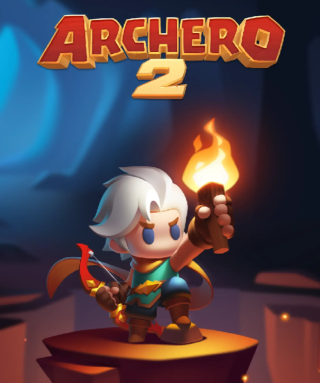












The Unforgettable Allure of Retro Browser Games: Dive into Nostalgic Fun and Timeless Classics
Step back in time to an era when pixels were paramount, storylines were simple, and the thrill of discovery was just a click away. In a world dominated by hyper-realistic graphics and complex narratives, there’s a unique and profound comfort in returning to the roots of digital entertainment. This article delves deep into the captivating universe of retro browser games, exploring why these delightful snippets of digital history continue to enthrall players seeking nostalgic games. We’ll journey through the evolution of classic online games, uncover the enduring charm of pixel art gaming, and reveal how you can still play retro games with ease today. Prepare to rediscover the joy of free retro games and understand why their appeal transcends generations, promising continued enjoyment well into retro games 2025.
The Enduring Allure of Retro Browser Games: Why Nostalgia Reigns Supreme
There’s an undeniable magic woven into the fabric of retro browser games. It’s more than just simple gameplay; it’s a direct portal to a cherished past, evoking powerful feelings of nostalgia. For many, these classic online games were their first foray into digital entertainment, played on clunky family computers with dial-up internet connections. The simplicity of old browser games stands in stark contrast to today’s expansive, resource-intensive titles. This very simplicity is a key part of their charm. There’s no lengthy installation, no steep learning curve, just pure, unadulterated fun available right in your web browser.
The appeal of nostalgic online games taps into fundamental human desires. We yearn for less complicated times, for instant gratification, and for the comfort of familiarity. These games provide a low-barrier-to-entry escape, a quick five-minute break that can easily stretch into an hour as you chase high scores or complete just one more level. The pixelated graphics and chiptune soundtracks are not merely limitations of past technology; they are now celebrated artistic styles, instantly recognizable and deeply embedded in our collective gaming consciousness. They represent a period of innovation where creativity flourished within technical constraints, resulting in wonderfully addictive and endlessly replayable experiences. Whether it’s the thrill of a high-score chase in a simple arcade title or the meditative repetition of a puzzle game, free retro games offer a unique blend of challenge and relaxation that keeps players coming back. Many of these browser games run smoothly even on older systems, making them universally accessible. They’re a reminder that sometimes, less truly is more. The inherent portability and accessibility of vintage online games mean they can be enjoyed anywhere, anytime, without the need for dedicated hardware or extensive setups.
A Glimpse into the Past: The Golden Age of Classic Online Games
To truly appreciate retro browser games, one must understand the environment in which they thrived. The late 1990s and early 2000s were a formative period for the internet, and with it, for online gaming. Before Steam, before mobile app stores, and certainly before ubiquitous broadband, browser games were often the only readily available form of digital entertainment. These were the pioneering days of classic online games, built predominantly on technologies like Macromedia (later Adobe) Flash, Java applets, and early HTML/JavaScript integrations.
The Rise of Flash: A Dominant Platform for Retro Browser Games
Flash was, without a doubt, the king of browser games for over a decade. Its animation capabilities and relatively easy-to-learn development environment allowed a generation of independent developers, hobbyists, and even large companies to create engaging and dynamic experiences directly within the browser window. From simple point-and-click adventures to complex RPGs and competitive multiplayer arenas, Flash offered a versatile canvas. Games like “Bloons Tower Defense,” “Papa’s Pizzeria,” “Age of War,” and a myriad of stick figure animations redefined what it meant to play retro games. These were often the first experiences many had with free retro games, accessible from school computer labs or home PCs without needing to download hefty client software.
Beyond Flash: Java Applets and Early HTML Games
While Flash dominated, it wasn’t the only player. Java applets offered another avenue for embedding interactive content. Though often slower to load and less graphically intensive than their Flash counterparts, Java games provided foundational experiences for many, particularly in puzzle and strategy genres. Simultaneously, rudimentary HTML and JavaScript games laid the groundwork for future web-native gaming. These early old browser games demonstrated the potential of the web as a gaming platform, even with limited bandwidth and processing power. The evolution of these technologies shaped the landscape of vintage online games, proving that innovation could flourish even with significant constraints. The creative solutions developers came up with to deliver engaging content within these limitations are a testament to their ingenuity. Many foundational concepts in modern browser games can be traced back to these early pioneers.
Beyond Flash: Modern Revival and Preservation of Old Browser Games
The sunsetting of Adobe Flash Player at the end of 2020 presented a significant challenge for the preservation of countless retro browser games. Millions of classic online games, cultivated over two decades, faced potential extinction. However, the passion of the gaming community and dedicated archival projects ensured that these nostalgic online games would not be lost to time. This era marks a crucial pivot, transforming how we can still play retro games today.
Emulation and Archiving: Keeping Free Retro Games Alive
The primary method for preserving and playing Flash-era retro browser games is through emulation. Projects like the Internet Archive’s Flashpoint initiative have painstakingly collected and cataloged tens of thousands of Flash games and animations, making them playable through standalone emulators or directly within modern browsers via specialized players like Ruffle. This dedication ensures that the vibrant history of free retro games remains accessible for future generations. These efforts go beyond mere technical preservation; they are about maintaining a cultural artifact, a digital record of a significant period in internet history. For players, it means the ability to revisit cherished old browser games that might otherwise have disappeared.
HTML5 and WebGL: The New Frontier for Browser Games
While emulation preserves the past, modern web technologies like HTML5, WebGL, and WebAssembly are the future of browser games. These open standards eliminate the need for third-party plugins, making games more secure, faster, and universally compatible across different devices and browsers. Many developers are now remaking or porting popular classic online games to HTML5, ensuring their longevity and reach. This shift means that the spirit of lightweight, accessible vintage online games continues to thrive, even as the underlying technology evolves. Players can now enjoy sophisticated experiences without downloads, from intricate puzzle games like 2048 Classic Number Game to engaging action titles, all powered by native browser capabilities. The seamless integration allows for a much smoother experience, bringing top browser games right to your fingertips.
The Art of Simplicity: Understanding Pixel Art Gaming and Its Charm
When one thinks of retro browser games, the visual style that immediately comes to mind is often pixel art gaming. This aesthetic, born out of necessity from the limited graphical capabilities of early computers and consoles, has transcended its technical origins to become a celebrated art form in its own right. The charm of pixel art gaming is multifaceted, contributing significantly to the nostalgic fun these games provide.
The Aesthetic Appeal of Pixels
Pixel art gaming relies on the deliberate placement of individual pixels to create images, resulting in a distinct, blocky, and often charmingly abstract look. This simplicity allows the player’s imagination to fill in the gaps, creating a more immersive experience than highly detailed graphics sometimes allow. It’s a style that ages gracefully; unlike early attempts at realistic 3D graphics that often look dated, well-executed pixel art gaming retains its appeal. It fosters a timeless quality, ensuring that classic online games from decades ago still look visually cohesive and engaging. This artistic choice is central to the identity of many old browser games and sets them apart from the visual noise of modern titles.
Functionality and Style: Why Pixel Art Thrived in Browser Games
Beyond aesthetics, pixel art gaming was incredibly practical for browser games. Smaller file sizes meant faster loading times, crucial for the slower internet connections of the past. The simplified graphics required less processing power, making free retro games accessible on a wider range of computers. This efficiency allowed developers to focus on core gameplay mechanics, level design, and innovative concepts rather than pushing graphical boundaries. As a result, many retro browser games became renowned for their addictive gameplay loops and clever design, proving that visual complexity wasn’t a prerequisite for deep engagement. The legacy of this approach can be seen even in modern independent browser games that consciously adopt pixel art gaming for its artistic and practical benefits, showcasing its continued relevance well into retro games 2025.
Unearthing Hidden Gems: Where to Play Retro Browser Games Now
The question on every enthusiast’s mind is: where can I truly play retro games and immerse myself in that era of nostalgic fun? Thanks to the tireless efforts of archivists and the adaptability of modern web technologies, the world of retro browser games is more accessible than ever. Finding and enjoying free retro games is a straightforward process, opening up a treasure trove of classic online games for new and returning players alike.
Dedicated Archival Websites and Emulators
The Internet Archive is a monumental resource, hosting vast collections of Flash, Java, and other old browser games. Through initiatives like the Flashpoint project, many of these games are directly playable within your browser using emulators like Ruffle, which translates Flash content into modern HTML5. This means you can often find and play retro games directly on the archive’s pages, without needing to download anything. Other dedicated retro gaming sites also specialize in collecting and curating lists of vintage online games, often categorized by genre or popularity, making it easy to discover forgotten favorites or new-to-you classics. These platforms are indispensable for anyone looking to truly deep dive into the history of browser games.
Revitalized Gaming Portals and Modernized Platforms
Many of the original gaming portals that hosted classic online games have adapted to the post-Flash era. Some have migrated their popular titles to HTML5, ensuring continued playability. Others host emulated versions or link to external archives. When looking to play retro games, always check if your favorite old site has made the transition. Additionally, new platforms are emerging that specifically cater to retro browser games, offering curated collections and optimized experiences. These sites often highlight free retro games that can be played instantly, providing quick bursts of nostalgic fun. For instance, you can find a wealth of options, from easy games for beginners to action-packed titles, all easily accessible. If you’re looking for more specific genres, consider exploring puzzle browser games or even browser-based RPGs, which often carry a distinctly retro feel in their design and gameplay. The ongoing development ensures that the landscape for playing retro browser games will continue to evolve and offer new avenues for discovery well into retro games 2025.
Genre Spotlight: Iconic Retro Browser Game Categories and Their Enduring Appeal
The vast universe of retro browser games is characterized by a rich diversity of genres, each offering its own flavor of nostalgic fun. From quick, addictive bursts to more strategic, time-consuming endeavors, these classic online games showcased the incredible versatility of the browser as a gaming platform. Understanding these categories helps appreciate the breadth of experiences available when you choose to play retro games.
Arcade Classics: The Epitome of Quick Thrills
Many of the most popular old browser games fell into the arcade category. These were designed for instant gratification and replayability, often featuring simple controls, escalating difficulty, and a focus on high scores. Think “Doodle Jump” clones, “Line Rider,” or countless variations of classic arcade machines. Their simple premise and addictive loops made them perfect for short breaks, embodying the essence of free retro games and quick, accessible entertainment. The charm of pixel art gaming was often front and center here, providing clear, action-oriented visuals that communicated gameplay instantly. Games like Death Worm 2 or Subway Surfers capture this fast-paced, high-score driven essence.
Puzzle and Strategy: Brain Teasers and Tactical Masterpieces
Retro browser games also excelled in mental challenges. Puzzle games, from simple match-threes to complex logic puzzles, offered engaging ways to pass the time. Games like “Bejeweled” clones or various Sokoban-style games provided hours of thoughtful play. Strategy games, though often simpler than their downloadable counterparts, allowed players to manage resources, build armies, or defend towers. Titles like “Age of War” or various tower defense games proved that deep tactical experiences could be delivered through browser games. These vintage online games fostered a generation of strategic thinkers, proving that strategy browser games could be just as engaging as their desktop counterparts. For example, RTS games in the browser offered a unique blend of accessibility and tactical depth.
Adventure and RPGs: Epic Journeys in a Browser Window
While less common due to technical limitations, a surprising number of retro browser games managed to deliver compelling adventure and RPG experiences. These often relied heavily on text, static images, or simple pixel art gaming to convey story and atmosphere. Point-and-click adventures, simplified dungeon crawlers, and early browser-based MMORPGs (like “Runescape Classic” in its early form) captivated players with sprawling worlds and character progression. These classic online games demonstrated the power of narrative and persistence, showing that even within a browser, epic tales could unfold. Examples like RPG browser games with quests continue to be popular, proving the enduring appeal of this genre for nostalgic games enthusiasts.

The Community Keeps the Flame Alive: Modding, Speedrunning, and Fandom
The resilience and continued popularity of retro browser games owe much to the dedicated communities that have formed around them. Unlike many ephemeral digital trends, the appeal of nostalgic online games is sustained by a passionate fandom that goes beyond simply playing. This vibrant community actively contributes to the preservation, evolution, and continued celebration of classic online games.
Modding and Fan-Made Content: Extending the Life of Old Browser Games
One of the most powerful aspects of any enduring game is its modding community, and retro browser games are no exception. While perhaps not as extensive as PC game modding, fan-made levels, character skins, and even entire game overhauls have kept many old browser games fresh for years. This creative outpouring ensures that players can always find something new, even in a game they’ve completed countless times. This spirit of modification and user-generated content speaks to the fundamental engagement these free retro games inspire, proving their foundational appeal. The ability to customize and extend vintage online games deepens their replay value and keeps the community active and engaged.
Speedrunning and Competitive Play: Mastering Retro Browser Games
For many retro browser games, especially those with arcade roots or clear objectives, speedrunning has become a significant aspect of their longevity. Competitions to complete games in the fastest possible time or achieve the highest scores drive incredible skill and dedication. Online leaderboards and communities dedicated to specific classic online games foster a healthy competitive spirit, pushing players to master mechanics and discover new strategies. This competitive edge adds another layer to the nostalgic fun, transforming simple browser games into arenas for peak performance. Even simple games like Skibidi Toilet Snake IO in Minecraft can foster surprising competitive communities, demonstrating the universal appeal of challenge.
Dedicated Fan Sites and Forums: Hubs of Nostalgic Online Games
Beyond active play, numerous fan sites, forums, and Discord servers are dedicated to discussing, sharing, and reminiscing about retro browser games. These digital gathering places allow players to connect over shared memories, troubleshoot old technical issues, and discover forgotten titles. They serve as vital repositories of knowledge and community spirit, ensuring that the legacy of old browser games and the culture surrounding them remains robust. This communal aspect ensures that the love for retro browser games is passed down and new players are introduced to the magic of free retro games, further cementing their place in gaming history and ensuring their relevance well into retro games 2025.
From Flash to Future: The Evolution of Browser Games and What’s Next for Retro Gaming
The journey of browser games has been one of continuous evolution, adapting to technological shifts and player demands. From their humble beginnings as simple Flash animations to today’s sophisticated HTML5 experiences, the core appeal of instant accessibility and free retro games remains. Understanding this evolution is key to predicting the exciting future of retro browser games, especially as we look towards retro games 2025 and beyond.
The HTML5 Revolution: A New Era for Browser Games
The transition from Flash to HTML5 was not just a technological upgrade; it was a paradigm shift for browser games. HTML5, along with WebGL for 3D graphics and WebAssembly for performance-intensive tasks, has empowered developers to create highly complex and visually impressive games that run natively in any modern browser. This means contemporary browser games can rival the quality of downloadable indie titles, offering rich narratives, detailed graphics, and deep gameplay without any installation. This evolution ensures that the spirit of lightweight, accessible gaming continues, even as the technical capabilities expand dramatically. You can see this progress in the rise of best browser-based RPGs 2024, which offer immersive experiences previously only found in client-based games. This technological leap has opened doors for developers to create truly stunning browser games that push the boundaries of what was previously thought possible, ensuring a vibrant future for retro games 2025 and beyond.
The Rise of IO Games: Modern Retro Sensibilities
A fascinating development in recent browser games history is the rise of “.io” games. These titles, such as Agar.io, Slither.io, and others, perfectly encapsulate a modern take on retro browser games principles. They are typically multiplayer, feature simple graphics (often akin to pixel art gaming in their minimalism), and prioritize highly addictive, competitive gameplay loops. They require no downloads, are easy to learn, and run directly in the browser, making them the spiritual successors to many classic online games. They provide a fresh take on nostalgic fun by combining retro accessibility with modern multiplayer dynamics, solidifying the idea that simple browser-based fun is here to stay. These games are a testament to the enduring appeal of accessible, low-barrier-to-entry fun, which is a hallmark of retro browser games.
What’s Next for Retro Games 2025 and Beyond?
Looking ahead, the landscape for retro browser games is promising. Preservation efforts will continue to refine emulation tools, making even more old browser games playable. Developers will likely continue to draw inspiration from the simplistic charm of vintage online games, creating new titles that blend pixel art gaming with modern gameplay mechanics. We can anticipate more curated collections of free retro games, enhanced with features like online leaderboards and multiplayer modes. Furthermore, the increasing power of web technologies means that the line between browser games and traditional desktop games will continue to blur, offering ever more complex and immersive experiences that retain the core accessibility of their retro predecessors. The future for retro games 2025 is not just about looking back, but about building on the legacy of these beloved classics to create new experiences that capture the same magic.
Optimizing Your Retro Experience: Tips for Playing Old Browser Games Smoothly
While the accessibility of retro browser games is a major draw, ensuring a smooth and enjoyable experience requires a few considerations. Whether you’re trying to play retro games from a Flash archive or enjoy modern HTML5 browser games that mimic a retro feel, a little optimization can go a long way in enhancing your nostalgic fun. These tips apply to both free retro games and more sophisticated classic online games.
Browser Choice and Configuration
Not all browsers are created equal when it comes to rendering old browser games, especially those relying on emulation. For Flash-era retro browser games via emulators like Ruffle, most modern browsers like Chrome, Firefox, or Edge will work seamlessly. However, for older, more finicky titles, sometimes experimenting with different browsers can yield better results. Ensure your browser is up-to-date, as newer versions often have better performance and security features. You can also optimize your browser for gaming performance by closing unnecessary tabs and extensions that consume resources. For tips on maximizing your browser’s performance, consult guides on how to optimize browser for gaming. This ensures that even vintage online games run as smoothly as possible.
Dealing with Flash Content: Emulators and Archives
As mentioned, direct Flash support is gone. If you encounter a site promising to play retro games that are Flash-based, ensure they are using a reputable emulator like Ruffle or directing you to a well-known archive like the Internet Archive. Avoid downloading suspicious third-party Flash players or executables, as these can pose security risks. Stick to trusted sources to enjoy your free retro games safely. The focus should always be on safe and legitimate ways to access these classic online games, preserving the integrity of your system while you indulge in pixel art gaming.
Internet Connection and Hardware Considerations
While retro browser games are generally not bandwidth-intensive, a stable internet connection is always beneficial, especially for multiplayer classic online games or those with large initial asset loads. For most old browser games, even a modest computer or laptop will suffice, as they were designed for less powerful hardware. However, if you’re experiencing lag, ensure your system meets the basic requirements for the game and that your graphics drivers are updated. For players with low-end PCs, browser games are often the perfect solution, as they demand fewer resources than modern downloadable titles. This continued accessibility is a key factor in the sustained popularity of retro browser games, making them viable for continued enjoyment well into retro games 2025.
The Cultural Impact of Retro Browser Games: More Than Just Pixels
The influence of retro browser games extends far beyond mere digital entertainment; they’ve left an indelible mark on internet culture, game development, and even our collective consciousness. These classic online games are more than just nostalgic diversions; they are cultural artifacts that shaped how a generation interacted with the burgeoning online world. Their impact resonates even today, influencing design choices and gameplay philosophies in modern browser games and beyond.
Pioneering Accessibility and Fostering Digital Literacy
Retro browser games were instrumental in democratizing access to interactive entertainment. Before widespread console ownership or high-speed internet, they offered an immediate, often free retro games experience to anyone with a computer and a browser. This accessibility lowered the barrier to entry for gaming, introducing millions to digital play without the need for expensive hardware or software purchases. They fostered early digital literacy, teaching users how to navigate websites, click interactive elements, and understand basic game mechanics in a playful, engaging way. For many, these old browser games were their very first introduction to the world of gaming, making them foundational to their digital journey.
Influencing Indie Game Development and Pixel Art’s Resurgence
The spirit of independent development, so prevalent in the Flash era, directly inspired a new generation of game creators. Many successful indie developers today started their journeys by experimenting with browser games, learning core design principles through iterative creation and immediate feedback. The aesthetic of pixel art gaming, initially a limitation, became a beloved style championed by these indie developers. Its timeless appeal and cost-effectiveness for small teams led to a resurgence of pixel art gaming in modern indie titles, proving its enduring artistic and practical value. This direct lineage from vintage online games to current indie darlings highlights the profound and lasting influence of the browser gaming scene. The enduring appeal of hidden gems and underrated browser games often comes from their unique artistic and design choices, heavily influenced by this era.
A Shared Cultural Touchstone and Source of Nostalgic Fun
For a significant portion of the internet-savvy population, retro browser games represent a shared cultural touchstone. Discussing titles like “Happy Wheels,” “Stick Death,” or various miniclip.com classics instantly sparks recognition and shared nostalgic fun. These games were viral before virality was a common term, spreading through word-of-mouth and school computer labs. They formed a communal experience, creating bonds and shared memories that persist years later. This communal aspect ensures that the legacy of retro browser games, from their pixel art gaming to their simple yet addictive mechanics, continues to be celebrated and enjoyed, driving their relevance even as we approach retro games 2025.
The Future of Nostalgia: Retro Games 2025 and Beyond
As we gaze into the digital horizon, the future of retro browser games appears not just secure, but vibrant and evolving. The hunger for nostalgic fun is insatiable, and the accessibility of browser games ensures their continued relevance. The landscape for retro games 2025 promises a blend of robust preservation, innovative re-imaginings, and new creations that pay homage to the classics.
Continued Preservation and Enhanced Accessibility
The efforts to preserve old browser games will only grow stronger. Projects like Flashpoint will continue to expand their archives, bringing more obscure and forgotten titles back into the light. Emulation technology will become more refined, allowing smoother and more accurate playback of vintage online games. We can expect more user-friendly interfaces for these archives, making it even easier for anyone to find and play retro games with minimal friction. The goal is to make these digital artifacts as accessible as possible, akin to a public library for free retro games, ensuring that every piece of gaming history is safeguarded for future generations. This robust preservation ensures that the charm of the history of browser gaming will not be lost.
New Retro-Inspired Browser Games
The influence of retro browser games is a wellspring for modern developers. Expect to see a continued proliferation of new browser games that deliberately adopt pixel art gaming, simple mechanics, and the addictive qualities of classic online games. These new titles will often blend retro aesthetics with modern gameplay twists, multiplayer functionalities, and richer narrative elements, creating a fresh yet familiar experience. This “neo-retro” trend ensures that the spirit of nostalgic games lives on in contemporary releases, catering to both veteran players and new audiences. The appeal of short browser games and quick bursts of fun continues to inspire new creations.
The Blurring Lines: Browser Games as Full-Fledged Experiences
As web technologies advance, the distinction between browser games and downloadable games will continue to diminish. HTML5, WebGL, and WebAssembly allow for increasingly complex graphics and intricate gameplay mechanics, leading to browser games that can stand toe-to-toe with many traditional indie titles. This means that while the “retro” aesthetic and simplified gameplay will always have a place, the technical capabilities of browser games will enable more ambitious projects that still maintain the core benefit of instant play. For retro games 2025, this means more diverse and higher-quality options for experiencing both authentic old browser games and modern titles that capture that timeless feeling. This paves the way for increasingly sophisticated top browser games 2024 and beyond, pushing the boundaries of what’s possible directly within your web browser.
The Social Aspect of Retro Browser Gaming: Connecting Through Pixels
While often perceived as solitary activities, retro browser games also played a significant role in fostering social connections. Long before the advent of massive multiplayer online games or dedicated gaming platforms, these classic online games created unique opportunities for shared experiences, both online and offline. This communal dimension adds another rich layer to the nostalgic fun they provide, transforming simple pixels into bridges between players.
Shared Screens and Local Multiplayer Nostalgia
In many homes and school computer labs, old browser games became a focal point for local multiplayer fun. Taking turns on the same keyboard, cheering each other on, or competing for high scores on simple pixel art gaming titles was a common scene. Games designed for “hot-seat” play or simple two-player mechanics, such as early fighting games or racing challenges, fostered direct interaction and friendly competition. This tangible, in-person social aspect of free retro games is a cherished memory for many, contributing significantly to their overall nostalgic games appeal. Even simple 2-player web games or 2-player games often originated from this era, allowing for immediate, shared enjoyment.
Early Online Communities and Collaborative Play
The rise of forums and dedicated fan sites for browser games facilitated online communities. Players would share tips, tricks, walkthroughs, and even compete for spots on online leaderboards. While not always real-time multiplayer, these communities created a sense of shared purpose and collective enjoyment around specific retro browser games. Certain vintage online games, particularly those with persistent worlds or resource management elements, even supported rudimentary asynchronous multiplayer or collaborative efforts. This laid the groundwork for the expansive multiplayer experiences we see today, proving that multiplayer browser games have a rich history. The competitive aspect of games like Agar.io (though more modern) or early browser-based RTS games highlights this social drive.
Content Creation and Sharing: The Viral Loop of Retro Fun
The relative ease of creating and sharing browser games, especially Flash animations, meant that players weren’t just consumers; they were often creators and distributors. Viral games spread rapidly through email chains, early social media, and direct links. People would share their favorite free retro games with friends, discuss strategies, and even create fan content like reviews or gameplay videos. This participatory culture deepened the social connection to retro browser games, making them a part of daily digital conversation. The shared experience of discovering and disseminating these classic online games helped cement their place in internet history, making them perpetual sources of nostalgic fun that continue to be rediscovered and discussed, impacting discussions about retro games 2025.
The Economic and Cultural Significance of Free Retro Games
The concept of “free-to-play” gaming is ubiquitous today, but it was largely pioneered and popularized by retro browser games. The inherent accessibility and low cost of entry for these classic online games had a profound economic and cultural impact, shaping expectations for digital entertainment and influencing business models that are now standard across the industry. The prevalence of free retro games was a game-changer.
Democratizing Access: Gaming for Everyone
Before the widespread adoption of smartphones and free mobile apps, free retro games offered unparalleled access to gaming for a broad audience. Children, students, and casual users who wouldn’t invest in consoles or PC games could easily find entertainment directly in their browser. This democratized gaming, making it a common pastime rather than a niche hobby. It allowed millions to experience the joy of pixel art gaming and simple, addictive loops without any financial barrier. The idea that you could simply play retro games instantly, without cost, was revolutionary.
Advertising and Monetization Models
While players enjoyed free retro games, developers and portals had to monetize them. This led to the widespread adoption of advertising models – banner ads, pre-roll video ads, and in-game advertisements became common. These early monetization strategies, refined over years of browser games development, laid the groundwork for the modern free-to-play model seen in mobile games and many large online titles today. The very existence of platforms offering countless old browser games depended on these advertising revenues, creating a symbiotic relationship between free content and advertising support. This also led to discussions about browser games no ads, highlighting user preference for uninterrupted play, even for vintage online games.
The “Time-Sink” Economy and Casual Gaming
Retro browser games, particularly those that were highly addictive, became significant “time-sinks.” While they didn’t cost money upfront, they consumed player time, a valuable commodity. This casual consumption of content, often during work breaks or study sessions, reshaped perceptions of what gaming could be. It fostered the concept of “casual gaming” – short, digestible play sessions that fit into busy schedules. This cultural shift, largely driven by the immediate availability of free retro games and other browser games, had a lasting impact on how people engage with digital entertainment and continues to influence design choices in retro games 2025. The ease of access and quick play loops established best quick online games as a legitimate and highly popular category.
The Educational and Skill-Building Benefits of Retro Browser Games
Beyond pure entertainment and nostalgic fun, retro browser games often offered surprising educational and skill-building benefits. Their design, often born from simplicity and necessity, implicitly encouraged the development of various cognitive and motor skills. These classic online games, even the seemingly frivolous ones, could be powerful tools for learning and development.
Cognitive Skill Enhancement
Many retro browser games, especially puzzle and strategy titles, inherently challenged players’ cognitive abilities. Logic puzzles honed problem-solving skills, memory games improved recall, and strategic simulations demanded planning and foresight. The iterative nature of old browser games encouraged players to learn from mistakes, adapt strategies, and think critically under pressure. Even fast-paced arcade pixel art gaming titles improved reaction times, pattern recognition, and decision-making speed. For instance, best puzzle browser games from that era were masters at sharpening the mind. Many educational browser games also directly taught subjects like math, spelling, or history in an engaging format, predating the modern edutainment trend. These vintage online games subtly yet effectively contributed to mental agility.
Hand-Eye Coordination and Motor Skills
The precise movements required in many retro browser games directly contributed to improved hand-eye coordination and fine motor skills. Navigating tricky platformers, aiming in top-down shooters, or rapidly clicking in point-and-click adventures demanded dexterity and precision. The simple control schemes of free retro games meant that the focus was often purely on the physical execution of commands, leading to tangible improvements in control and responsiveness. This physical engagement with digital interfaces, often involving just a mouse or keyboard, built foundational skills that are still relevant in modern computing and gaming.
Problem-Solving and Persistence
Perhaps one of the most valuable lessons taught by retro browser games was persistence. With no saves, limited lives, and often punishing difficulty curves, players had to repeatedly attempt levels, learn from failure, and refine their approach to succeed. This instilled a sense of resilience and problem-solving through iterative trial and error. The satisfaction of finally overcoming a challenging level in a classic online game was immense, reinforcing the value of dedication and strategic thinking. This subtle educational aspect makes the enjoyment of retro browser games more than just momentary nostalgic fun; it’s an investment in skill development that continues to pay dividends, influencing how new browser games are designed even for retro games 2025.
Learn more about the psychology of nostalgia.
Explore the history of Flash animation.
Understand HTML5.
Discover more about pixel art gaming.
Read a brief history of browser games.
Dive deeper into Flash game preservation.
Explore the future of internet archives for flash games.
Get tips on optimizing your browser for gaming.
Understand the broader digital revolution.
Learn how video games boost brain health.